top of page

Understanding Basic Commands: A Guide for Dog Owners

  • Writer: Christi Farley
    Christi Farley
  • Feb 25
  • 4 min read

Training your dog can be one of the most rewarding experiences as a pet owner. Not only does it strengthen the bond between you and your furry friend, but it also ensures a well-behaved companion. In this guide, we will explore the essential commands every dog owner should teach their pet, providing practical tips and examples to make the training process effective and enjoyable.


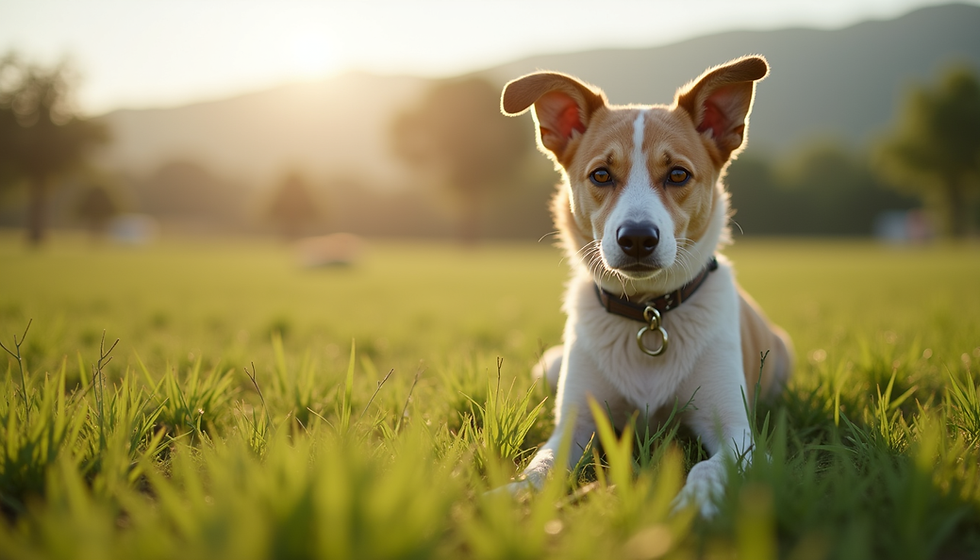
Eye-level view of a dog sitting on a grassy field
A well-trained dog sitting patiently on a sunny day.

The Importance of Basic Commands


Teaching your dog basic commands is crucial for several reasons:


  • Safety: Commands like "sit" and "stay" can prevent dangerous situations, such as running into traffic.

  • Communication: Training helps establish a clear line of communication between you and your dog.

  • Socialization: A well-trained dog is more likely to be accepted in social settings, making outings more enjoyable.

  • Mental Stimulation: Learning commands keeps your dog mentally engaged and can reduce behavioral issues.


Getting Started with Training


Before diving into specific commands, it's essential to set the stage for successful training sessions. Here are some tips to consider:


Choose the Right Environment


Select a quiet, distraction-free area for training. This could be your living room or a quiet park. The goal is to minimize interruptions so your dog can focus on you.


Use Positive Reinforcement


Dogs respond best to positive reinforcement. This means rewarding your dog with treats, praise, or playtime when they successfully follow a command. This method encourages them to repeat the behavior.


Keep Sessions Short and Fun


Dogs have short attention spans, so keep training sessions to about 5-10 minutes. End each session on a positive note, even if it means just practicing a command they already know.


Essential Commands to Teach Your Dog


Now that you have the groundwork laid, let's explore the basic commands every dog should learn.


Sit


Why Teach "Sit"?

This command is fundamental and can be used in various situations, from waiting at the door to calming your dog down.


How to Teach "Sit":

  1. Hold a treat close to your dog's nose.

  2. Move your hand up, allowing their head to follow the treat. This will cause their bottom to lower.

  3. Once they are in a sitting position, say "sit," and give them the treat.

  4. Repeat this several times until your dog sits on command without the treat.


Stay


Why Teach "Stay"?

The "stay" command is vital for keeping your dog in one place, which can be useful in many scenarios.


How to Teach "Stay":

  1. Start with your dog in a sitting position.

  2. Open your palm in front of you and say "stay."

  3. Take a few steps back. If your dog stays, return and reward them.

  4. Gradually increase the distance and duration before rewarding.


Come


Why Teach "Come"?

This command is essential for your dog's safety, especially in open areas.


How to Teach "Come":

  1. Put a leash on your dog and let them wander a few feet away.

  2. Call their name followed by "come" in a cheerful tone.

  3. When they come to you, reward them with a treat and praise.

  4. Practice this in different environments to reinforce the command.


Down


Why Teach "Down"?

The "down" command can help calm an excited dog and is useful in various situations.


How to Teach "Down":

  1. Start with your dog in a sitting position.

  2. Hold a treat in your hand and move it towards the ground.

  3. As your dog follows the treat, say "down."

  4. Once they are lying down, reward them.


Leave It


Why Teach "Leave It"?

This command can prevent your dog from picking up harmful objects or getting into trouble.


How to Teach "Leave It":

  1. Place a treat in both hands. Show one hand with the treat and say "leave it."

  2. When your dog ignores the treat, reward them with the treat from your other hand.

  3. Repeat until they understand that "leave it" means to ignore the first treat.


Troubleshooting Common Training Issues


Training can sometimes be challenging. Here are some common issues and how to address them:


Lack of Focus


If your dog seems distracted, try training in a quieter environment or use higher-value treats to capture their attention.


Resistance to Commands


If your dog is not responding, ensure you are using positive reinforcement. Avoid punishment, as it can create fear and anxiety.


Inconsistency


Be consistent with your commands and rewards. Use the same words and gestures every time to avoid confusing your dog.


Advanced Commands and Tricks


Once your dog has mastered the basic commands, you can move on to more advanced training. Here are a few ideas:


  • Roll Over: Start with your dog in a lying position. Use a treat to guide them to roll over, rewarding them when they do.

  • Shake Hands: Encourage your dog to lift their paw by gently tapping it while saying "shake." Reward them when they lift it.

  • Play Dead: With your dog lying down, use a treat to guide them onto their side while saying "bang" or "play dead."


The Role of Socialization in Training


Socialization is just as important as training commands. Exposing your dog to different environments, people, and other animals can help them become well-adjusted adults. Here are some tips for effective socialization:


  • Puppy Classes: Enroll your dog in puppy training classes to expose them to other dogs and people.

  • Public Outings: Take your dog to parks, pet-friendly stores, and other public places to help them learn how to behave in various settings.

  • Controlled Introductions: Introduce your dog to new people and pets in a controlled manner to ensure positive experiences.


Maintaining Training Consistency


Training is an ongoing process. Here are some strategies to maintain consistency:


  • Daily Practice: Incorporate training into your daily routine, even if it's just a few minutes each day.

  • Involve Family Members: Ensure everyone in your household uses the same commands and training techniques.

  • Regular Refreshers: Periodically revisit commands your dog has already learned to keep their skills sharp.


Conclusion


Training your dog in basic commands is a rewarding journey that enhances your relationship and ensures a well-behaved companion. By using positive reinforcement, maintaining consistency, and incorporating socialization, you can create a happy and obedient dog. Remember, patience is key, and every dog learns at their own pace. So grab some treats, find a quiet space, and start your training adventure today!


Comments


bottom of page